
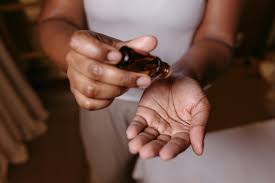
Layering Body Products

When it comes to body care, the order in which you apply your products can make a huge difference in how your skin feels and looks. If you’ve ever wondered whether to apply body oil before or after lotion, you’re not alone. The general skincare rule is to layer from thinnest to thickest, but does that apply to body care too? Let’s break it down and find out which method works best for soft, hydrated skin.


Products Used in This Test

For this experiment, I used two fragrance-free favorites: Equate Baby Oil and Neutrogena Hydro Boost Body Gel Cream. These products are lightweight yet super hydrating, making them perfect for testing different layering techniques.


Testing the Oil-First Method

Applying oil first on damp skin creates a unique texture. Since oil and water don’t mix, the oil formed a silky, emulsive layer that locked in moisture immediately. My skin felt smooth and had a healthy glow, though it took a bit longer to absorb fully. The key takeaway? The oil created a great base, preventing the water from evaporating too quickly and prepping my skin for the next step.


Testing the Lotion-First Method

On the other side of my body, I applied lotion first. The lotion took longer to blend into my damp skin, and I had to use more product to cover the same area. It absorbed eventually but didn’t leave my skin feeling as instantly hydrated as the oil-first method. While it didn’t feel sticky or greasy, the hydration didn’t seem as long-lasting.


Comparing the Second Layer: Oil-First vs. Lotion-First

Here’s where things got interesting. After the first layer absorbed, I applied the second product on each side:

  • Oil first, then lotion: The lotion glided on smoothly, and my skin absorbed it quickly without feeling heavy or greasy. My skin felt incredibly soft and well-hydrated.
  • Lotion first, then oil: This resulted in a shinier finish. While it did lock in moisture, the oil sat more on the surface, making my skin feel greasy. Worse, it transferred onto my clothes and sheets.

Final Verdict: Oil Before Lotion Wins

After 10 minutes, both sides felt hydrated, but there was a noticeable difference in texture. The side where I applied oil first felt more natural—moisturized but not greasy. The lotion spread effortlessly and absorbed better. On the lotion-first side, the hydration didn’t feel as deep, and the oil left a residue on my skin.

So, if you want soft, nourished skin without excess oiliness, the best method is oil first, then lotion.


Why You Should Apply Oil Before Lotion

  1. You use less product – The oil creates a smooth base, helping your lotion spread more easily.
  2. Longer-lasting hydration – Oil locks in moisture, allowing the lotion to penetrate deeper.
  3. No greasy residue – The oil absorbs better, preventing that heavy, sticky feeling.

Try It Yourself!

If you’re looking for a simple way to boost your body care routine, try applying oil first, followed by lotion. Your skin will thank you for it! Let me know in the comments what products you love layering and any tips you swear by.

For more skincare tips, check out my other posts. Stay hydrated, stay glowing, and happy moisturizing!

Looking for high-quality body care products? Shop your favorite beauty essentials now at TF Pharmacy and elevate your skincare routine!

Similar Posts

  • Top-Rated Acne Treatment Products Available at TF Pharmacy Online

    Acne is one of the most common skin concerns, affecting millions of people worldwide. While it’s often associated with adolescence, acne can persist or even start in adulthood, causing frustration and impacting self-confidence. Thankfully, there are effective solutions that can help. If you’re searching for over-the-counter acne treatments, a solid skincare routine for acne, or…

  • Where to Buy Baby Care Products Online in Kenya

    Parenthood is one of life’s most rewarding journeys, but it comes with its fair share of challenges. From choosing the best baby care brands to ensuring your little one’s health and comfort, finding safe, reliable, and effective products is a top priority for parents. Thankfully, in Kenya, you don’t have to run around searching for…

  • Vitamin C for Dark Spots: Reduce Hyperpigmentation Naturally

    Are dark spots and hyperpigmentation leaving you with an uneven skin tone? You’re not alone. Many individuals struggle with these skin concerns. But, there’s a natural solution that has gained significant attention: vitamin C for dark spots. Edit Full screen View original Delete How does vitamin C help in reducing dark spots and hyperpigmentation? Vitamin C is known for its antioxidant properties and its ability to brighten the skin. By adding vitamin C to your skincare routine, you can reduce hyperpigmentation naturally. This can help you achieve a more even skin tone. The use of vitamin C for skin whitening and reducing dark spots is becoming more popular. This is because it is effective and natural. Key Takeaways Understanding Dark Spots and Hyperpigmentation It’s important to know what causes dark spots and hyperpigmentation. This knowledge helps in creating good skincare routines, mainly for those with darker skin. Hyperpigmentation shows up as dark spots or patches on the skin. These spots are darker than the rest of the skin. It happens when there’s too much melanin, the pigment that gives skin its color. What Causes Dark Spots on Skin Many things can cause dark spots on the skin. Sun exposure is a big one, as UV rays make melanin increase, causing spots. Other causes include inflammatory skin conditions like acne and eczema, leading to post-inflammatory hyperpigmentation (PIH). Hormonal changes, like during pregnancy, can also cause spots. Skin injuries, like cuts and burns, can lead to dark spots as the skin heals. Edit Delete Types of Hyperpigmentation Common in African Skin In African skin, there are several types of hyperpigmentation. Post-inflammatory hyperpigmentation (PIH) is common, caused by skin conditions or injuries. It shows as dark spots or patches that take time to fade. Melasma is another type, seen as large, symmetrical patches on the face, linked to hormonal changes. Other types include sun-induced hyperpigmentation and dermatitis-related hyperpigmentation. Type of Hyperpigmentation Causes Characteristics Post-inflammatory Hyperpigmentation (PIH) Inflammatory skin conditions, injuries Dark spots or patches Melasma Hormonal changes Large, symmetrical facial patches Sun-induced Hyperpigmentation UV exposure Dark spots or freckles How Does Vitamin C Help in Reducing Dark Spots and Hyperpigmentation? Vitamin C is a strong antioxidant that helps reduce dark spots and hyperpigmentation. It brightens the skin and controls melanin production. The Science Behind Vitamin C as a Skin Brightener Vitamin C works by stopping the enzyme tyrosinase, which makes melanin. This means less melanin, which helps dark spots and hyperpigmentation fade. Your skin tone becomes more even. Key Benefits of Vitamin C: Full screen View original Delete Vitamin…

  • TF Pharmacy: Your Go-To Online Pharmacy with Fast Delivery in Nairobi

    In the modern world, convenience is king. With everything moving online—from grocery shopping to banking—healthcare is no exception. TF Pharmacy, a leading online pharmacy in Nairobi, is revolutionizing how people access medication by offering fast, reliable, and seamless delivery services. If you’ve ever needed medication quickly and didn’t have time to visit a pharmacy, TF…

  • Affordable Skincare Products for Sensitive Skin at TF Pharmacy

    Caring for sensitive skin can feel like walking a tightrope. One wrong product, and you could end up with irritation, redness, or breakouts. But finding affordable skincare products that cater to sensitive skin doesn’t have to be a headache. At TF Pharmacy, we understand the unique needs of sensitive skin and offer a range of…

Leave a Reply

Your email address will not be published. Required fields are marked *

This site uses Akismet to reduce spam. Learn how your comment data is processed.